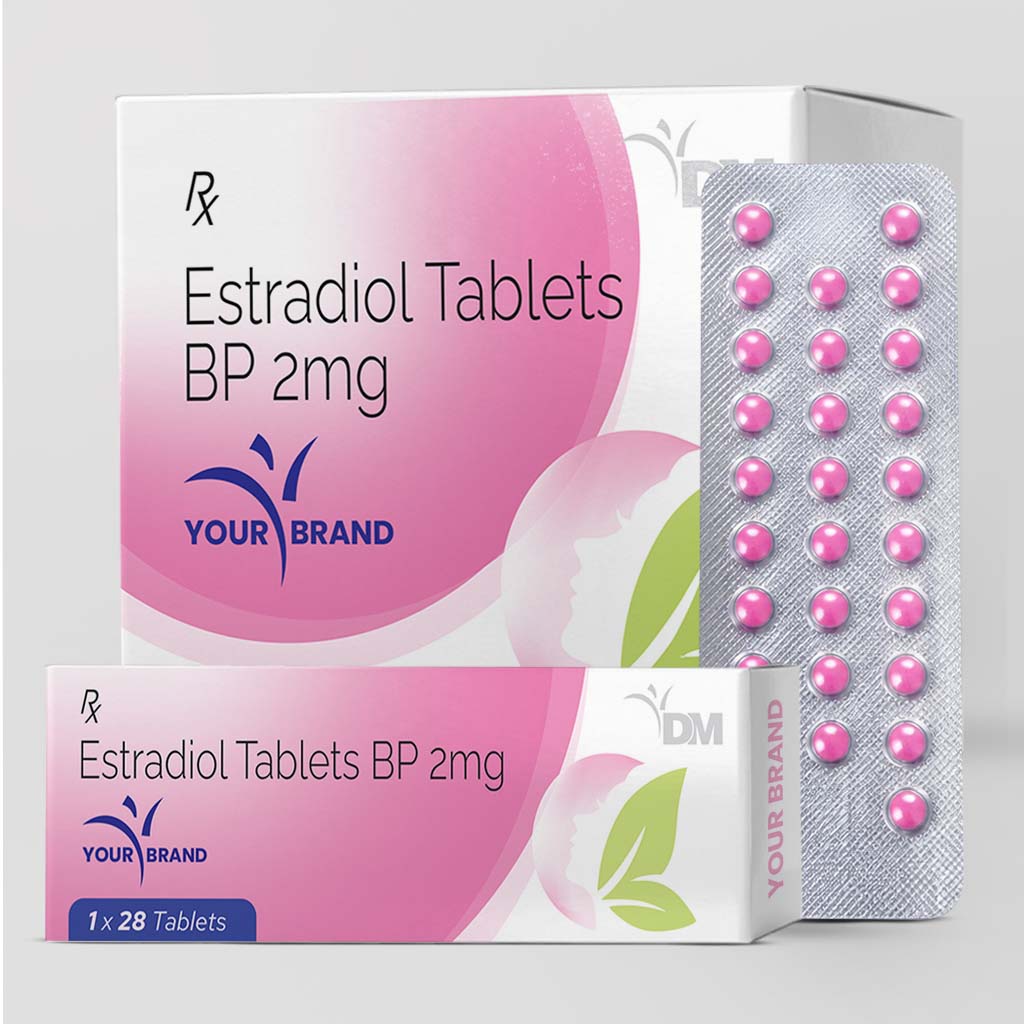
Estradiol Tablets

Project Image

Therapeutic Indication

Hormone Replacement Therapy (HRT) in menopause
Management of vasomotor symptoms (hot flashes, night sweats)
Prevention of osteoporosis in postmenopausal women
Gynecological disorders related to estrogen deficiency
+91 85919 78885

Estradiol

Tablet

Estradiol valerate tablet contains the active ingredient Estradiol valerate, a female hormone (estrogen). It is used by women to help reduce symptoms of menopause (eg, hot flashes, vaginal itching, burning, or dryness). These symptoms are caused by the body making less estrogen. It may be used to treat certain types of prostate cancer (advanced androgen-dependent). Estradiol valerate improved the endometrial growth and consecutively the pregnancy rate in patients under letrozole ovarian stimulation. Estrogen is the most commonly used hormone in fertility therapy. In actuality, estrogen is three different hormones in the body: estradiol, estrone, and estriol. Estradiol also enhances the growth of the womb's muscle layer, the myometrium. In addition, the hormone maintains oocytes (eggs in the ovary) and triggers a series of events that lead to ovulation.

Speciality Estrogen Hormone Therapy
Tags Hormone Therapy | Menopause | Estrogen | HRT
Strength
  • 2 mg
Packing Size
  • 28 Tablets

Check all Tablet Range

Click to know More

Mechanism

Estradiol valerate is a female estrogen hormone. It works by replacing natural estrogen in a woman who can no longer produce enough estrogen. It works for advanced prostate cancer by antagonizing male hormones. Estradiol Valerate treats hypoestrogenism due to hypogonadism, castration, or primary ovarian failure. Estradiol Valerate treats advanced androgen-dependent carcinoma of the prostate (for palliation only).

Pharmacokinetics

  • Absorption: Rapid oral absorption
  • Distribution: Widely distributed in tissues
  • Metabolism: Hepatic metabolism
  • Elimination: Renal and fecal excretion
  • Half-life: 12–14 hours

Side Effects

  • Nausea
  • Breast tenderness
  • Headache
  • Fluid retention
  • Rare risk of thromboembolic events

Contraindication

  • History of breast or endometrial cancer
  • Active thromboembolic disorders
  • Severe hepatic impairment

Interaction

  • CYP3A4 inducers (reduce efficacy)
  • CYP3A4 inhibitors (increase estradiol levels)
  • Anticoagulants (altered clotting risk)

Warning and Precautions

  • Monitor liver function during therapy
  • Use cautiously in patients with cardiovascular risk
  • Regular breast and pelvic examinations recommended